Your first laboratory day: preparation and good working habits
In short
Read current instructions, assemble required equipment and take induction seriously. A good result begins with a understood process and prepared workspace, not the largest collection of products.

Contents
1. Read the list and experiment
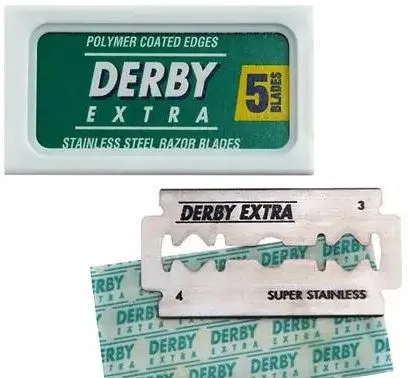
Check place, time, attendance rules and documents. Mark unfamiliar terms and steps. Ask for required versions of vaguely named products: incompatible blades or unsuitable gloves may not be replaceable immediately.
2. Check personal equipment
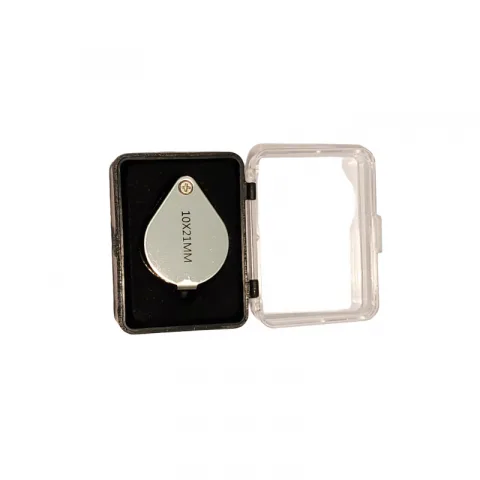
The coat closes with movement room; eyewear remains secure over prescription glasses where needed; shoes and clothing follow instructions. Gloves depend on the task, not colour. Check instrument completeness and damage in advance.
3. Understand the workflow
Learn where samples, clean equipment, used tools and waste go. Locate emergency facilities and reporting routes. Asking before starting is better than improvising midway.
4. Record clearly
Write observations, values and deviations so later interpretation is possible. Separate observation from explanation, use required units and document changes. Careful practical work is important, but regulatory GLP is a distinct quality system and must not be casually claimed as certification.
5. Plan the finish
Cleaning, waste and storage are part of the task. Allow time; used gloves, damp cases and loose blades are not problems to postpone until the journey home. Complete the prescribed close-down before leaving.
Bag checklist
Required documents, notebook and pen; suitable coat and eye protection; only personally required tools and consumables; appropriate clean storage; no food or personal items intended for the bench.
Read course mapping, hygiene, kits and sizing. The actual facility's induction governs your work.
Sources & further reading
General guidance for study and teaching. For your actual work, your safety briefing, hygiene plan, lab instructions and the product instructions apply. Legal information refers to Germany.